Conversational AI English Tutor
LAURA
© iPorfolio
Web, App (iOS, Android)
Summary & Impact
A New Era of English Learning with AI: Introducing LAURA
In 2023, advancements in AI technology have ushered in a new era of English learning. No longer is there a need for a native-speaking teacher; AI-powered conversational services are rapidly gaining popularity, revolutionizing how we learn English. However, we have been striving to provide a deeper and more comprehensive learning experience beyond just conversation. We have collaborated with leading publishers worldwide, including Oxford University Press, to offer high-quality content that helps users learn vocabulary and sentences through books and reinforce their learning with quiz games. Yet, there was still a gap in applying this learned content to real-life conversations.This is where LAURA comes in. With LAURA, users can now seamlessly apply what they've learned from books to actual conversations anytime, anywhere. They can also practice confidently narrating the stories they've studied, enhancing both the joy of speaking English and the efficiency of their learning. The journey below demonstrates how we identified and addressed this challenge by implementing LAURA in the MVP version, Version 1, and within a new MDL framework.
+244
Activity
Execution Count
+93
%
Active Users
(Total DAU)
Responsibility
UX Design and Framework Construction
Designed the core framework of the project and defined a common component structure that ensures visual consistency. This clarified the flow of each activity and delivered a coherent experience to both domestic and international users.
Activity Design
I designed and refined the three-stage structure (Game + Video Preview, Speak Up for pronunciation practice, and AI-driven LAURA Activity). Throughout the process, I introduced various interactive elements aimed at improving users' speaking abilities. Additionally, I created a design library and guide to support the activity design.
Multi-Stakeholder Management
Facilitated communication and collaboration among various stakeholders to ensure the project proceeded smoothly. This allowed for the inclusion of diverse requirements while maintaining a unified vision and objective.
Leadership and Mentoring of Junior Designers
Quickly onboarded two junior designers and provided active leadership to ensure their contributions to the project. Clear guidance on design processes and expectations was provided, along with continuous feedback and support for their growth.
Tight Schedule Management
Managed all project milestones within a tight schedule, balancing design and development efforts to achieve the final goals successfully.
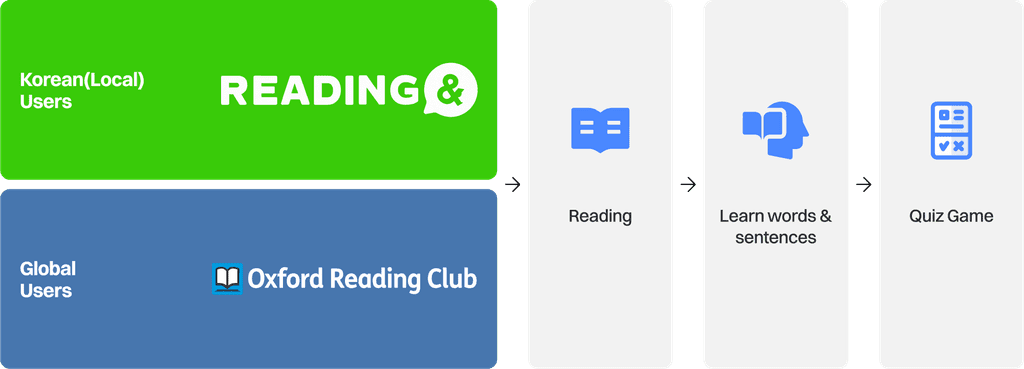
Existing Users
Our users learn English through two distinct domains. In each domain, they read books, study the vocabulary and sentences that appear in the text, and then reinforce their learning by playing quiz games.
The problems our users experience
Lack of Connection Between Learning and Practical Application
The current service focuses on memorizing vocabulary and sentences, followed by quizzes to test knowledge, but it lacks a connection to real-life conversational situations. To help users apply what they've learned in practice, the service needs a feature that bridges the gap between learning and real-world use. For example, users should be able to practice using the vocabulary and sentences they’ve learned in natural conversations
Inconvenience of Seeking Alternative Methods for Speaking Practice
The current service focuses on memorizing vocabulary and sentences, followed by quizzes to test knowledge, but it lacks a connection to real-life conversational situations. To help users apply what they've learned in practice, the service needs a feature that bridges the gap between learning and real-world use. For example, users should be able to practice using the vocabulary and sentences they’ve learned in natural conversations
What existing users doing

Should be

Business Strategy
Focus on Securing the First Sales Reference
(e.g., Oxford University Press, READING&)
Since there is currently no reference for the commercialization of our product, establishing the first sales reference is crucial.
To secure this first reference, we organize what we can currently offer and what we can offer in the future, and present these to the customer.
Simultaneously Approach Potential B2B Customers
Actively present sales proposals to companies we are currently connected with, but with less focus compared to the most promising customers.
Reach out to potential target customers (such as educational institutions in Southeast Asia) through email campaigns with promotional materials.
Priority of metrics
Primary Goal
Increase the Activity completion rate to around 60%.
A higher Activity completion rate indicates greater engagement with LAURA. Completing activities fully, rather than just attempting them, better reflects the effectiveness of the learning process, leading to improved user learning outcomes.
This metric also helps determine whether the activities, designed with the primary age group and book content characteristics in mind, align well with users' learning objectives.
Other Important Metrics
Activity Execution Count
A higher Activity execution frequency suggests greater user engagement and participation in activities. Frequent attempts indicate that users are regularly engaging in learning activities, reflecting their ongoing interest and commitment to learning.
Active user growth
A large number of active users demonstrates strong user interest in LAURA. This metric is essential for assessing LAURA's growth potential and market position, making it crucial to monitor user acquisition and retention consistently.
Design Goal
Seamless Integration of Learning Stages
The learning activities that users have previously completed, such as Reading, Learning Words & Sentences, and Quiz Games, should connect seamlessly to real-life conversation practice. This ensures a smooth transition and helps reinforce learning in a practical context.
Engaging for Target Users Aged 5-12
The primary target audience for iPortfolio products is children aged 5-12. The previous learning activities provide a game-like experience, offering both fun and education. It's important to maintain this engaging experience, building children's confidence in using the language.
Consideration of Differences Between Domestic and International Users
In addition to domestic users of the Reading& platform, there are international users of the Oxford Reading Club. It’s important to take into account the differences in how these users approach English learning, ensuring the platform caters to both groups effectively.
Adaptability to Various Activities
As LAURA evolves, the activities should adapt according to the content or nature of the books. For example, the characteristics of a free conversation activity and a quiz game differ, but both should be displayed cohesively within the same interface. This allows for a flexible and versatile user experience.
Test with MVP
Goal
Testing Conversational Capabilities
Our goal was to test the possibility of free conversation between LAURA and users through a Slack test. We assessed whether LAURA could provide valid answers and respond appropriately based on the user's language level.
Developing MVP for Qualitative Evaluation
We explored several top-level strategies that could meet short-term requirements and built an MVP for qualitative evaluation from iPortfolio, Oxford University Press, and a user perspective.
Strategy
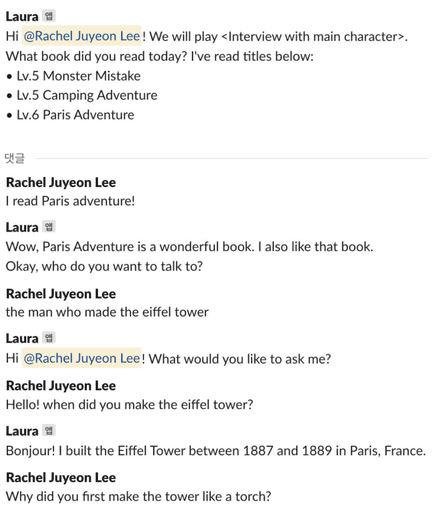
Test with Slack
To rapidly test our concept, we started with a small scope. The development team built the LAURA API using Slack's webhook functionality, allowing us to test if conversations based on book content could flow smoothly. This enabled us to directly input commands and engage in conversations with LAURA. This approach was sufficient as a test to find product-market fit before developing a more sophisticated app.
Designing the MVP Version
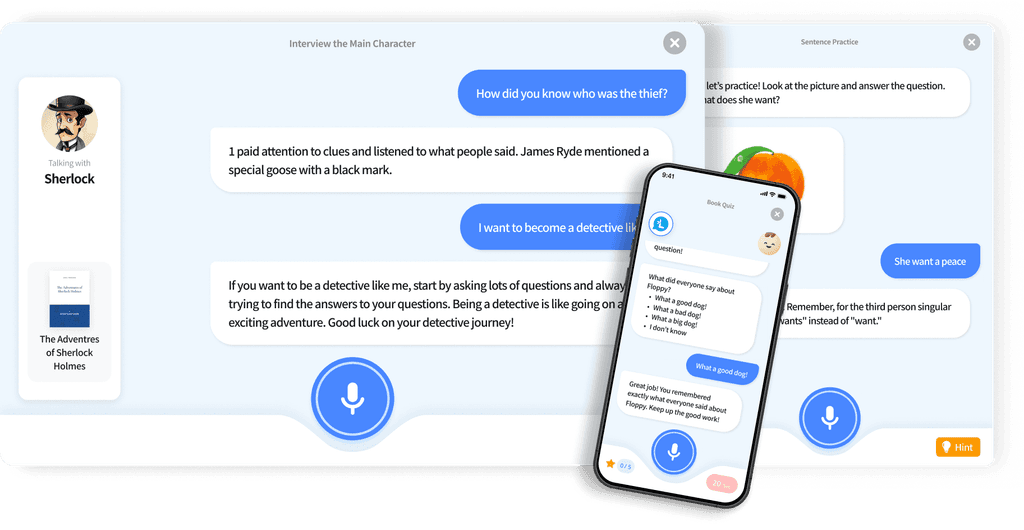
For testing purposes, we planned to release the MVP on Android only. We quickly designed two core activities: one focused on interviewing characters from the book, and the other allowed users to retell the story with LAURA while summarizing the book's content. We concentrated on core functionalities like voice recording, a chat interface, and tooltip suggestions for recommended sentences. Since there was no dedicated visual identity for LAURA, we designed it using iPortfolio's basic design system components.


Interview the main character
Step into the story and talk with the main characters. Ask whatever you wanted to ask.
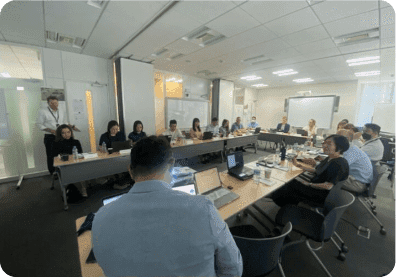
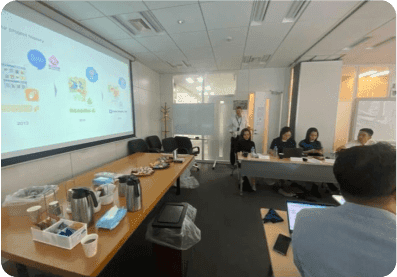
To test the product, we worked with the B2B marketing team to recruit participants. This allowed us to conduct the test with 8 teachers and 11 students from grades 1 to 3 across four schools currently using our product.
Ensuring a smooth and seamless experience in activity execution :
Teacher
72%
found it smooth, but it was challenging to predict how to guide students during lessons.
Students
82%
had difficulty figuring out what to say as soon as the activity started.
We presented LAURA to stakeholders from Oxford University Press Japan, receiving positive feedback and high expectations for its diverse activities.
Insight
Facilitating Natural Conversations Within Book-Related Content
Through the Slack test, we assessed how naturally and flexibly LAURA could communicate with users in terms of conversation quality. This included evaluating the accuracy of responses, contextual understanding, and the smoothness of the conversation flow. I was particularly impressed to find that LAURA not only functioned seamlessly within the book content we provided but also engaged in conversation as effortlessly as speaking with a native English-speaking friend.
Need for improvement in response speed during conversations
We assessed how quickly and efficiently the ChatGPT API integrated with Slack, gathering data on latency and response times. We discovered that after recording, it took approximately 1-2 seconds for the spoken text to appear within the chat bubble.
Assessing the Appropriateness of Minimal Information Architecture
Through the MVP design, I was able to test whether the activities and information connected to the book content were necessary and appropriate for users, and determine if there were any elements disrupting the flow of conversation.
Evaluating the Suitability of the conversational UI Design
I evaluated how intuitive and effective the visual elements (buttons, navigation, tooltips, etc.) were in a chat-based interface. This allowed me to identify areas where visual feedback was needed or where additional interaction elements could enhance the experience.
Exploring Potential as a Future Business Strategy
Through a demo presentation for OUP's Japan office, we showcased this service as a business strategy utilizing OUP content. This demonstrated the value of the service, and there was anticipation for further development of various activities tailored to different types of book content.
LAURA version 1.
Pilot Test with Oxford University Press Japan
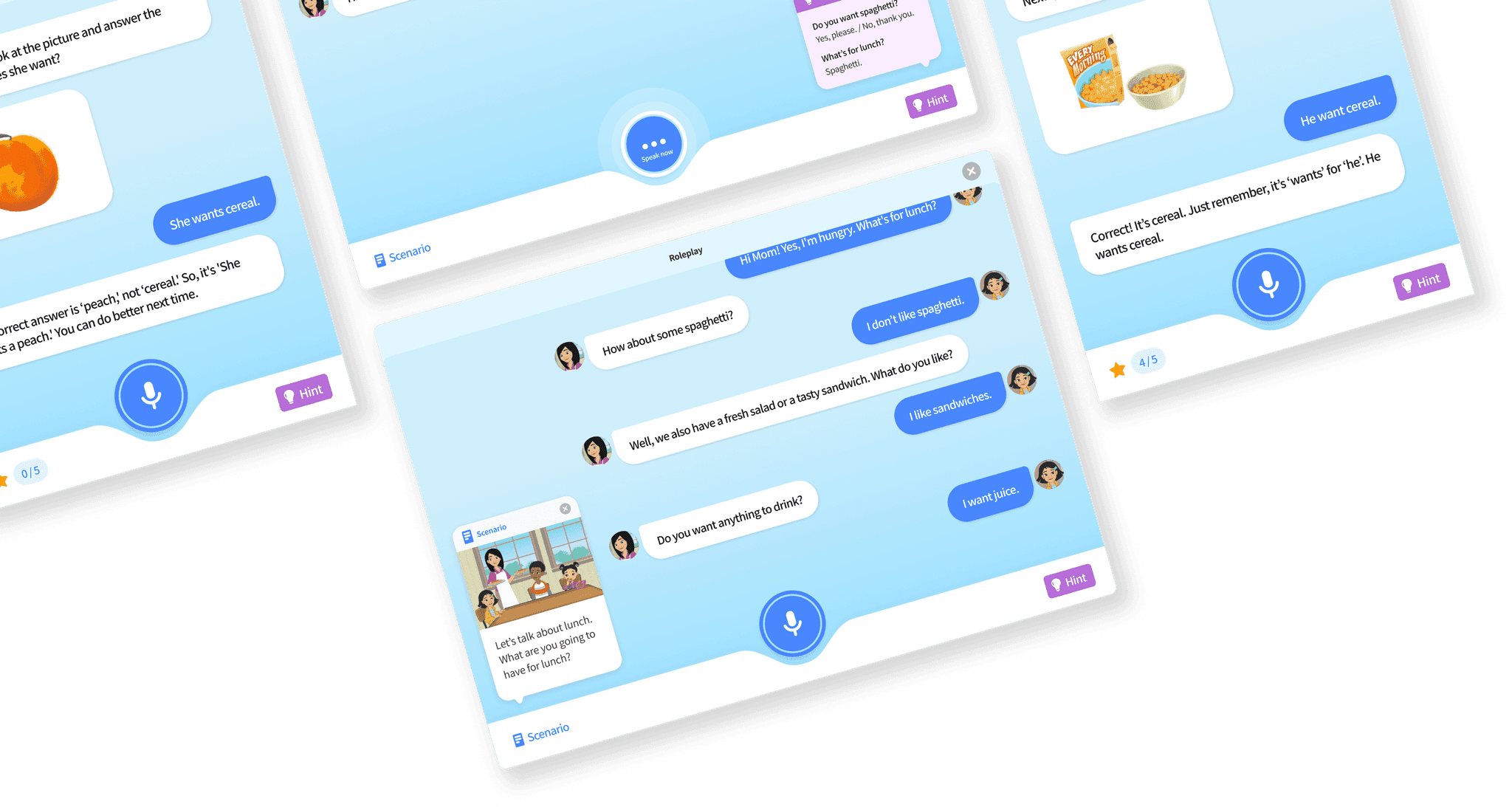
From Concept Validation to User Testing in Japan
After successfully validating the concept and presenting to OUP executives, we moved on to the next step, focusing on refining and commercializing LAURA. Version 1 of LAURA was developed as a pilot test to establish connections with international users. Leveraging insights from the MVP design, I enhanced LAURA and completed version 1. With this, we conducted a user test targeting Japan, the key market for the Oxford Reading Club.
Become a key tool for users to improve their English skills by interacting with LAURA through coursebook activities.
We selected the Let’s Go series as the content for planning the activities. This series is one of Oxford University Press’s English learning coursebooks, which we currently provide as digital content. The coursebook primarily targets elementary school students and beginner learners, focusing on improving basic skills in grammar, vocabulary, listening, and speaking. Through LAURA, we aimed to facilitate repetitive practice and conversation-based learning for users.
Establish LAURA's identity
While the MVP phase focused on exploring LAURA’s potential, Version 1 aimed to solidify LAURA’s identity and make it recognizable to users.
Understand the characteristics of Japanese and domestic users through a pilot test and evaluate the next steps.
As Oxford Reading Club is used not only in Japan but also in countries like Turkey, Spain, and Brazil, it was important to explore tasks for the next step in the project.
Intuitive UI Design for Additional Features on Each Activity Screen
With the addition of new activities to the Coursebook, it became essential to provide intuitive UI designs for each activity screen to support additional features effectively
LAURA Framework Requirement for Product Testing
To test these activities within the Oxford Reading Club, I designed a seamless integration with the current framework. This included creating an introduction to the activities for users upon entering the LAURA system, ensuring a smooth user experience.
Responsive Design for Multiple Devices
A responsive design was required to accommodate users accessing the platform from various devices.
Consistent Visual Mood for a Unified User Experience
To provide a consistent user experience amidst diverse features and activities, a cohesive visual mood for LAURA was essential.
1.
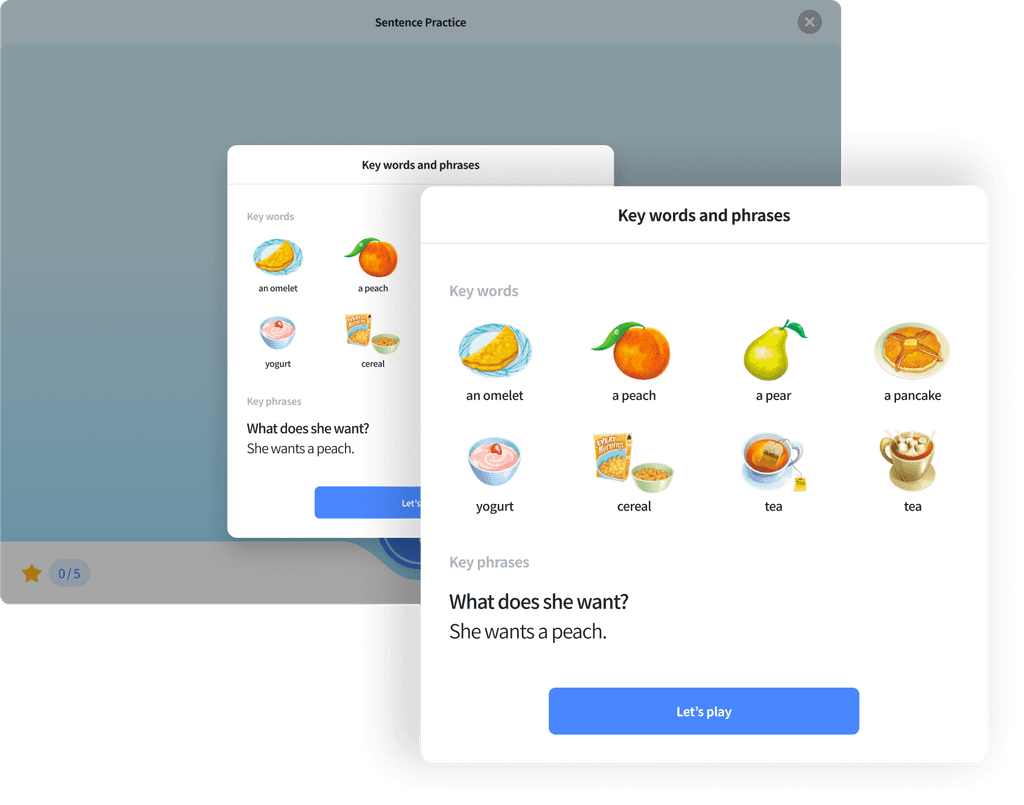
introduction before activities begin
It was surprising that most children struggled to understand how to start activities in LAURA. This was an aspect our team hadn't anticipated. To address this, we implemented a modal that provides a brief introduction to the activity before it begins.
2.
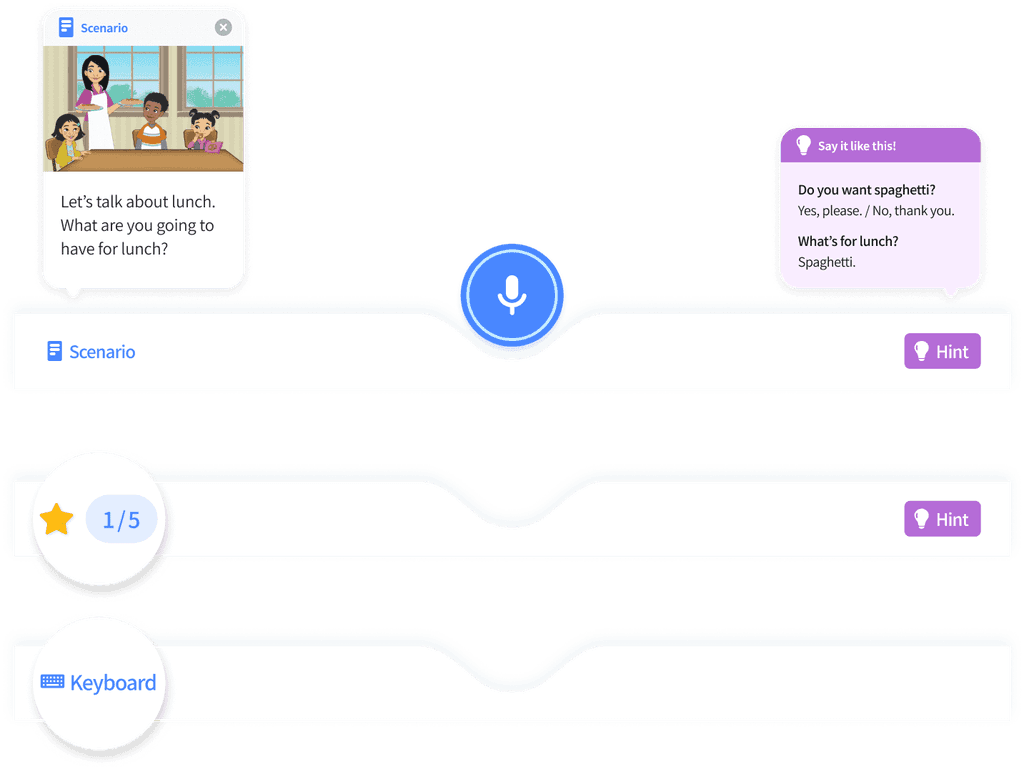
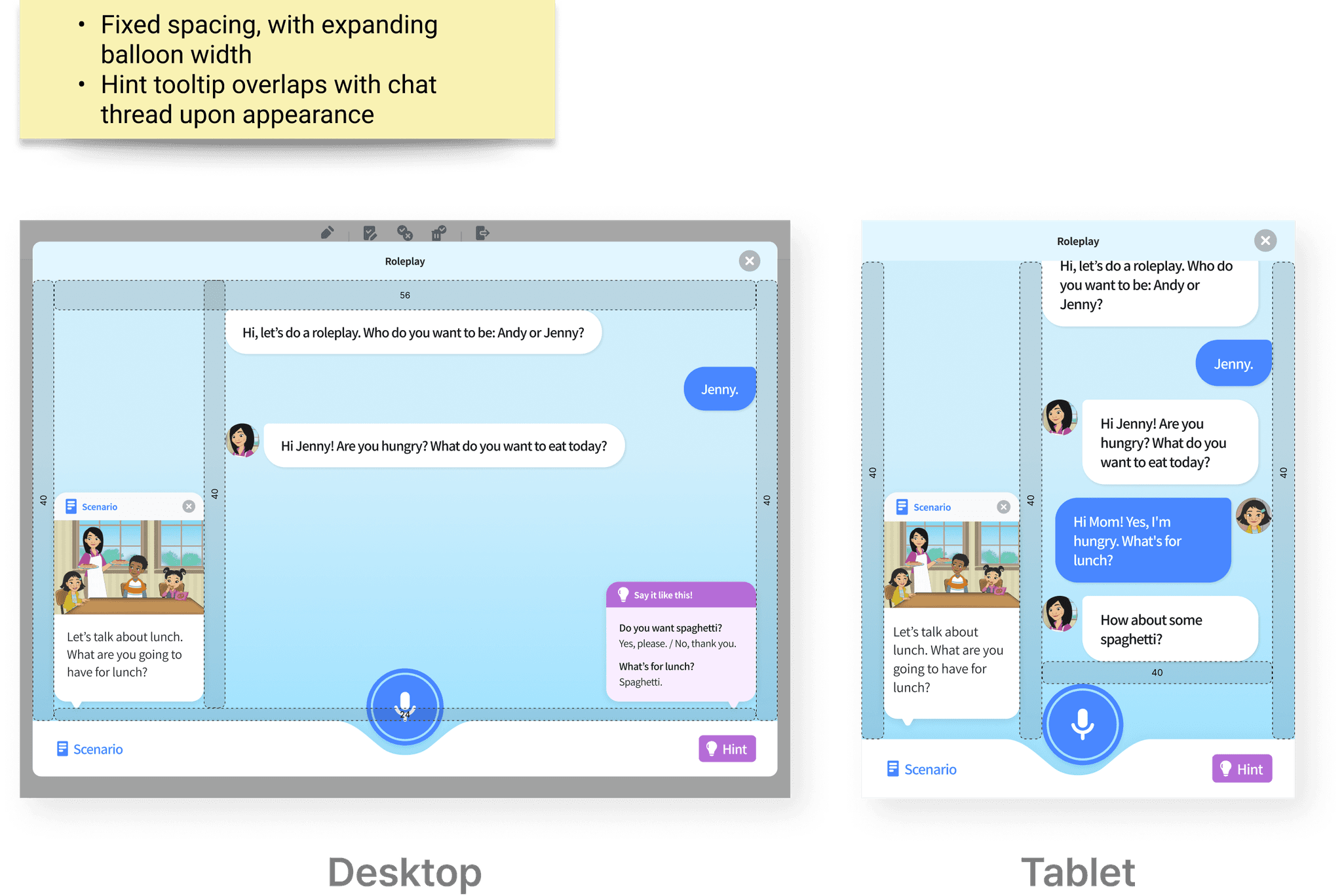
Improving Component Organization through Bottom Navigation
Our target users were mostly children aged 5-12, so all components needed to be easy for them to use and engaging. I considered the action bar (which is the bottom navigation) commonly seen in games and placed the components that required organization within this bottom navigation.
3.
Responsive Layout
Unlike the MVP, which was exclusively for Android, this version needs to be deployed on a web platform, necessitating design improvements.
4.
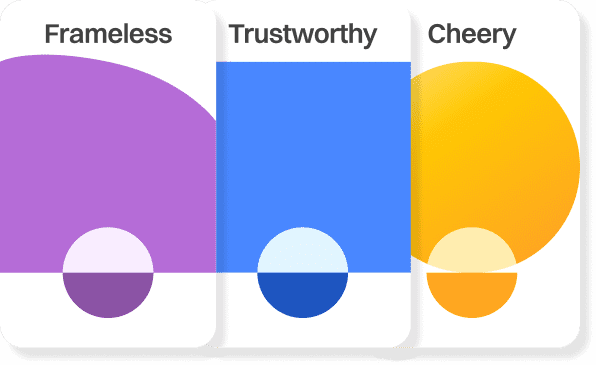
Primary Color and Overall Mood
At the start of the LAURA ver1 design process, I also initiated a small branding project for LAURA. (I refer to it as a "small" branding project because it was clearly driven by necessity.) I believed the story of LAURA had already begun with the idea of giving children the freedom to have conversations. To enhance the experience, I aimed to embed a small but valuable narrative within the user experience, which served as a starting point for further improvements.
Feature
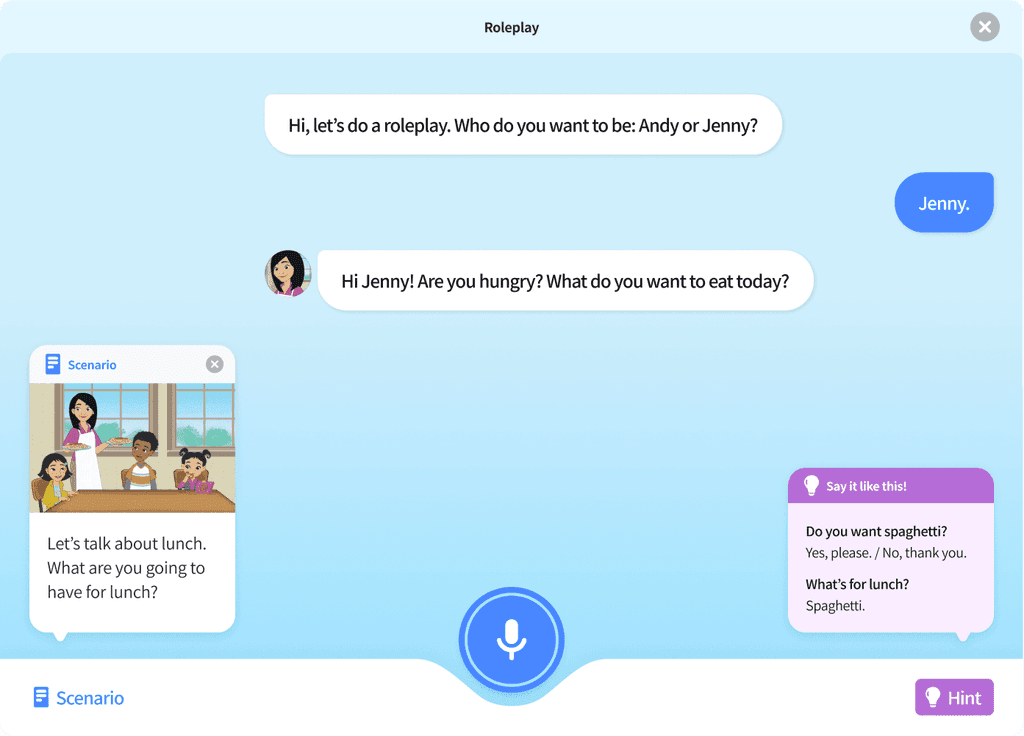
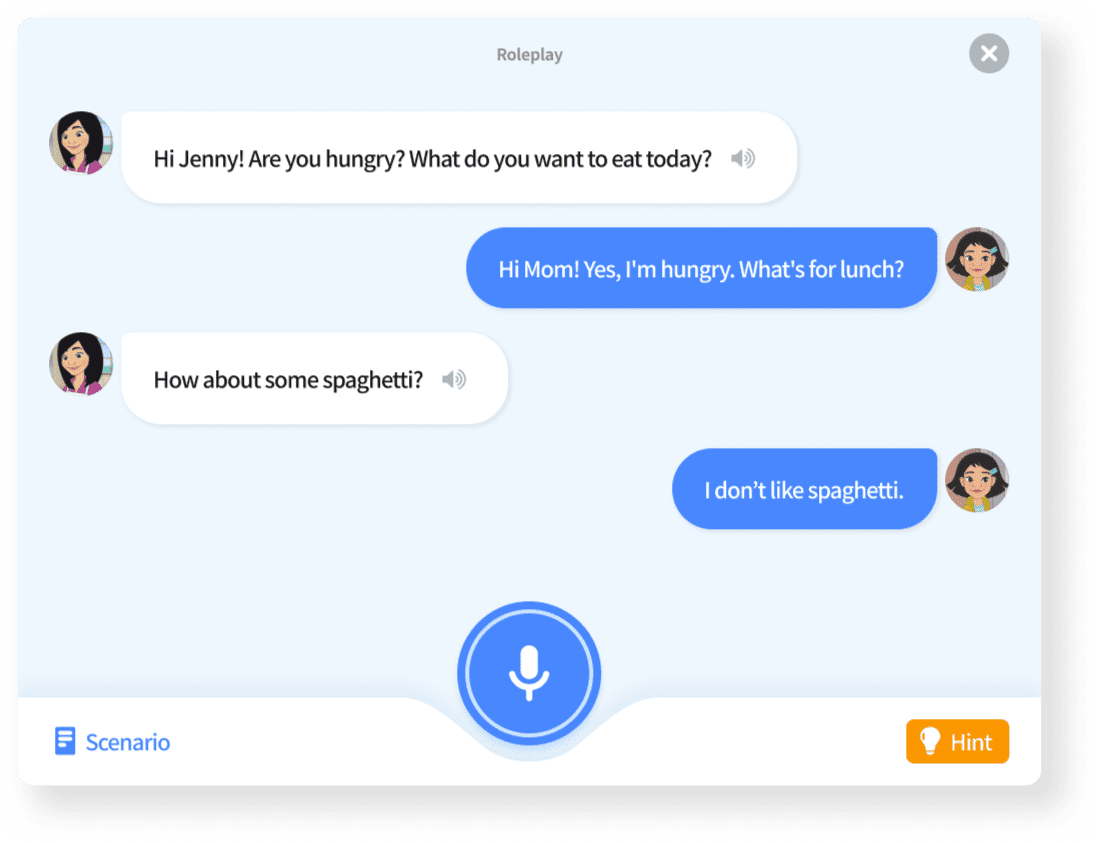
Roleplay
Act out different scenarios to develop real-world communication skills and language fluency.
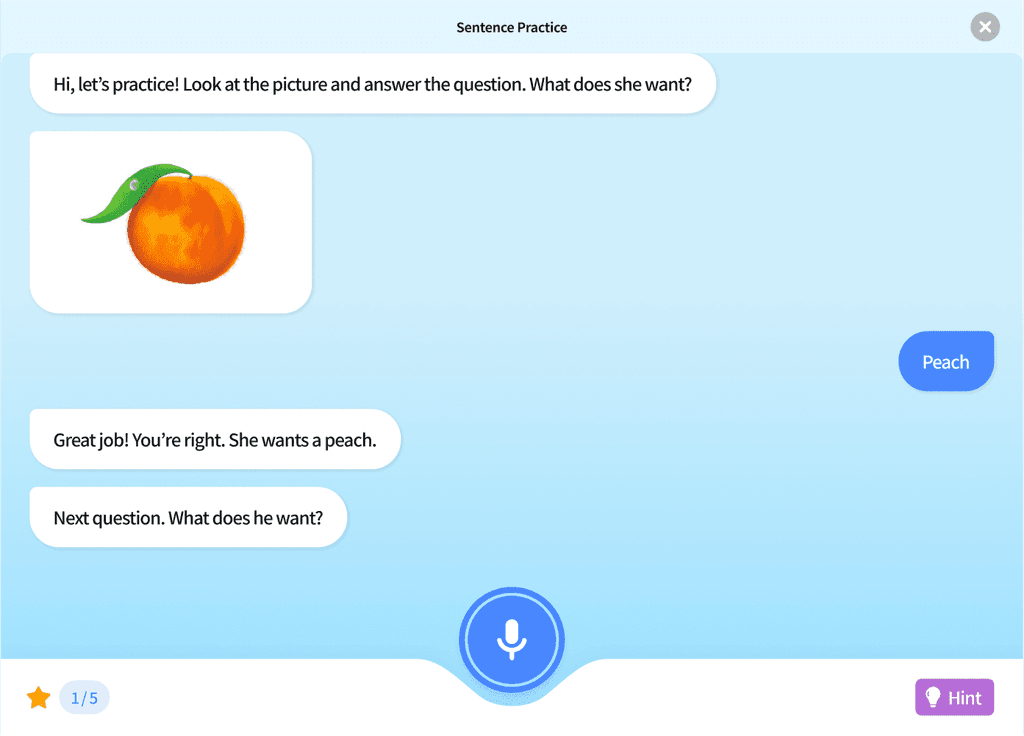
Sentence Practice
Practice common sentences and expressions through structured sentence exercises.
User Test
We conducted a user test with 12 learners from Kyoshin, an educational institution in Japan, over a period of 3 weeks to identify areas for improvement and evaluate the learning effectiveness of Let's Go x LAURA in real classroom settings.
Test Users
2 representatives from Oxford University Press(Japan)
3 representatives from Kyoshin
1 teacher
Outcome
Teacher Feedback:
LAURA helped students who struggle in class but may not stand out, particularly in reinforcing difficult lessons.
Teachers enjoyed using LAURA as well.
Understanding Framework Flow
Providing Consistency in LAURA's UI and Visuals
Uncertainty in Conversation Frequency
Making LAURA as a Tutor
Step-by-Step Learning for Different Content or Learning Scenarios
MDL
MDL, which stands for Multi Dimension Learning, is a curriculum that involves studying the Coursebook and completing three stages of review activities. Through our previous MVP and Version 1 testing phases, we gained insights into both our users and the product. The tests revealed that a new framework must be developed to account for both the Primary Users (users who learn English through LAURA) and the Secondary Users (such as teachers and parents). Thus, we embarked on a new challenge through the MDL project. The Coursebook offers step-by-step learning content, and we have built a framework tailored to it, which we are now applying to the Oxford Reading Club. Simultaneously, the final design for LAURA’s ultimate version has been completed.
Goal
Problems
Challenges in Adapting LAURA for Domestic and International Users
Due to the differing characteristics of domestic and international users, it was necessary to design and plan activities that took these differences into account.
Framework Requirements for Ensuring Visual Consistency
It was essential to build common components to ensure the design of each activity had the same visual mood.
Step 1: Game Activity + Video
Provided a function where students could preview key vocabulary through games and understand the context of upcoming lessons via preview videos.
Step 2: Speak Up
Activities focused on pronunciation analysis and speaking practice through word and sentence learning.
Step 3: LAURA Activity
AI-driven speaking practice activities aimed at enhancing students' speaking abilities.
Intangible Problems
Tight Schedule
There was a tight deadline to present the MDL to Oxford University Press, which meant that planning, design, and development had to be carried out under a very short timeline.
Increased Stakeholders
The number of stakeholders increased, including designers, developers, and PMs responsible for different activities. Additionally, two junior designers joined the team, requiring quick synchronization and leadership.
Solution
Formulating a hypothesis
Hypothesis for Korean Users of LAURA (Reading&)
90% of users are in the early stages of English acquisition.
They may be accustomed to quickly finding correct answers due to exam-focused education.
They tend to emphasize achievement in their English learning journey.
Simple, clear activities and games could spark their interest in learning English.
Therefore, activities like Interview the Main Character and Book Quiz were designed and applied to strengthen reading comprehension and basic understanding while incorporating a game-like format.
Hypothesis for International Users of LAURA (Oxford Reading Club)
While English may be a second language or a foreign language, they may have faster or more familiar access depending on their background.
They may focus more on situational learning and real conversation practice.
There may be a greater emphasis on communication skills and cultural understanding to improve overall English proficiency.
Conversational learning or immersive content might be more effective.
Therefore, activities like Roleplay, Sentence Practice, and Review Quiz were designed and applied to help users use English in real-life situations and build sentence-forming skills.
Design Unification for the Framework and Communication Work
Document
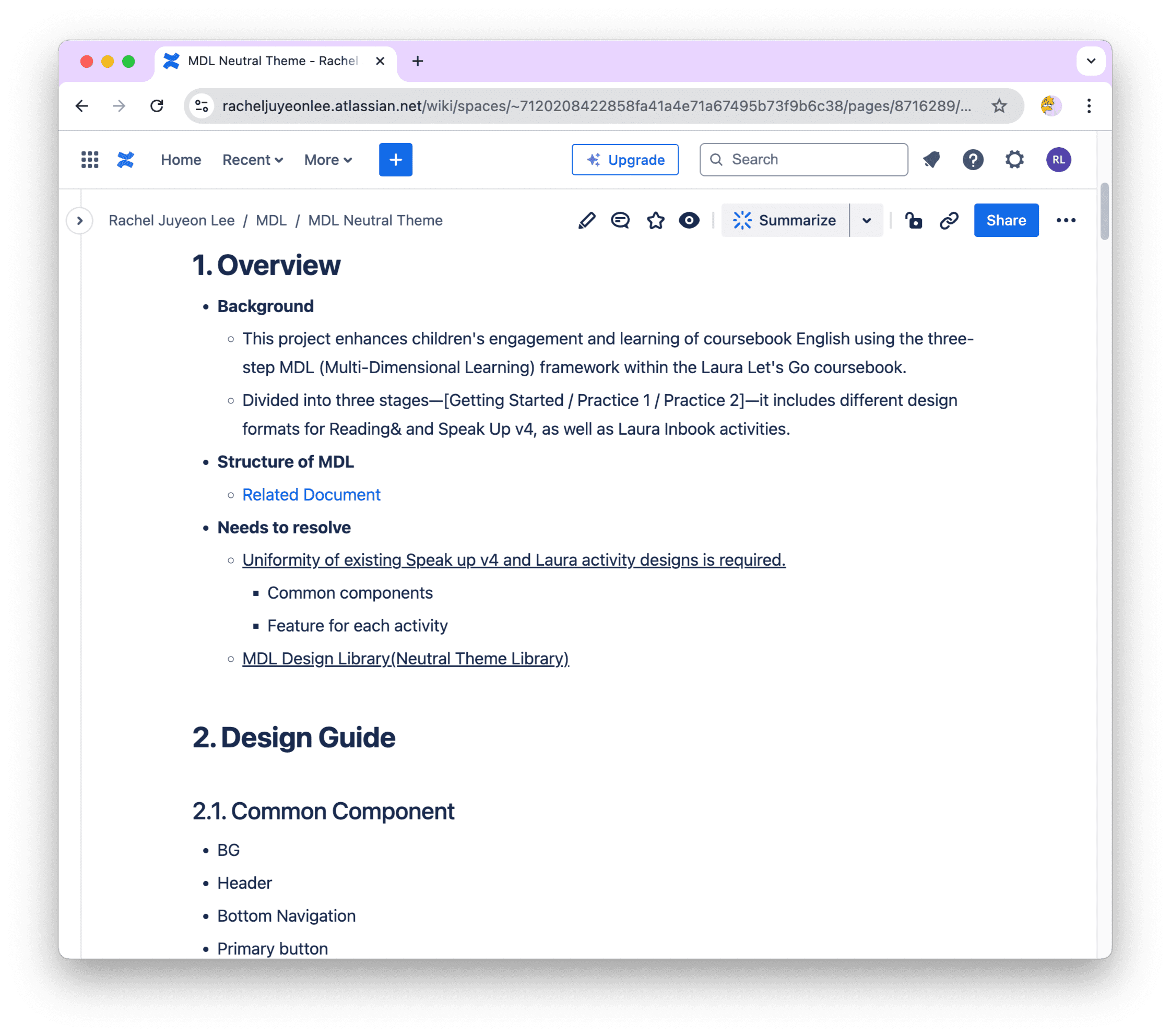
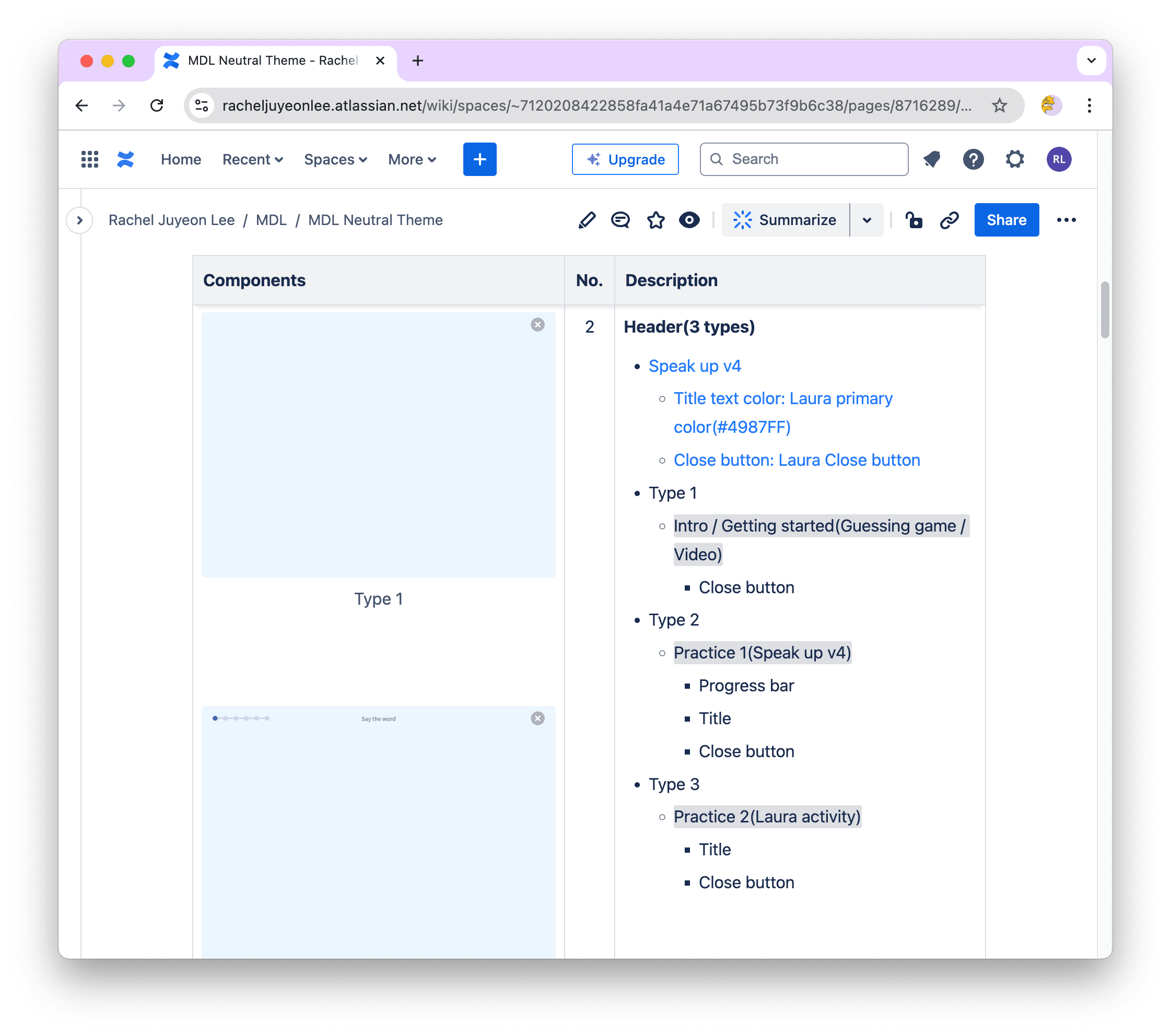
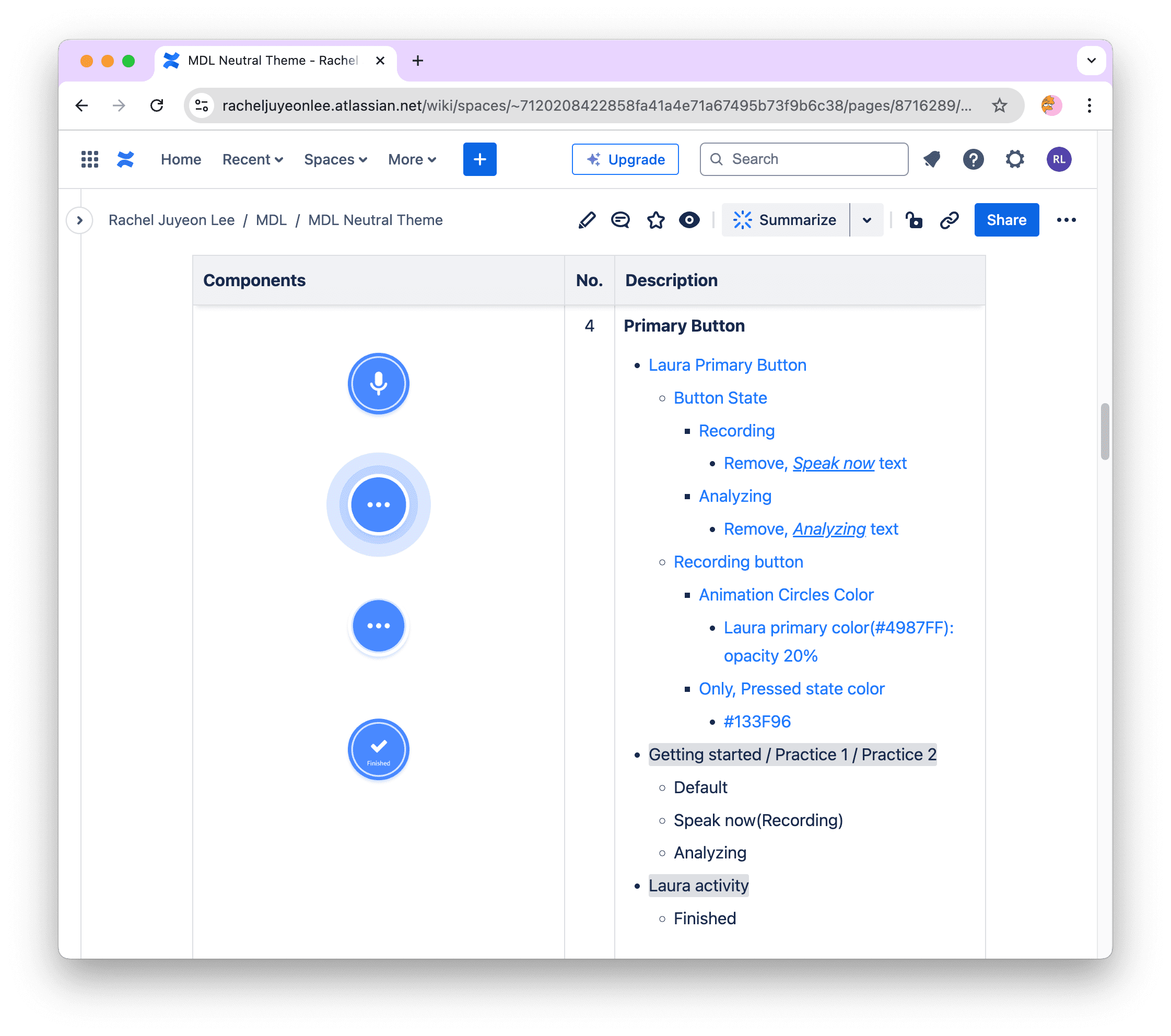
Uncovering and integrating similarities among diverse product concepts
For example, all three products shared recording and analysis functions. Given that Laura had a broader target range, we adopted Laura's module for primary button actions.
Efficient development process
We merged the modules while minimizing inefficiencies, taking into account the development status at that time.
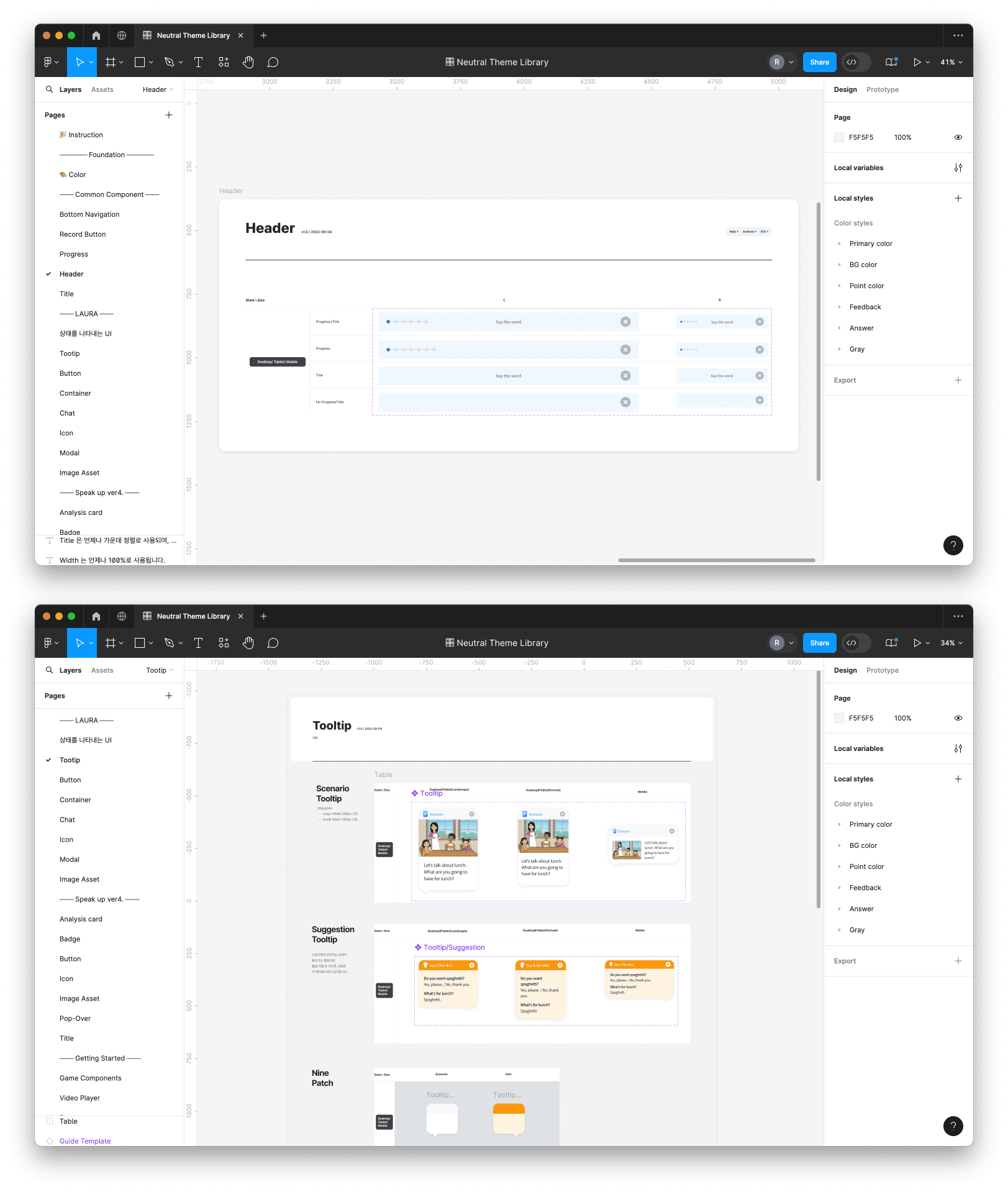
Design Library
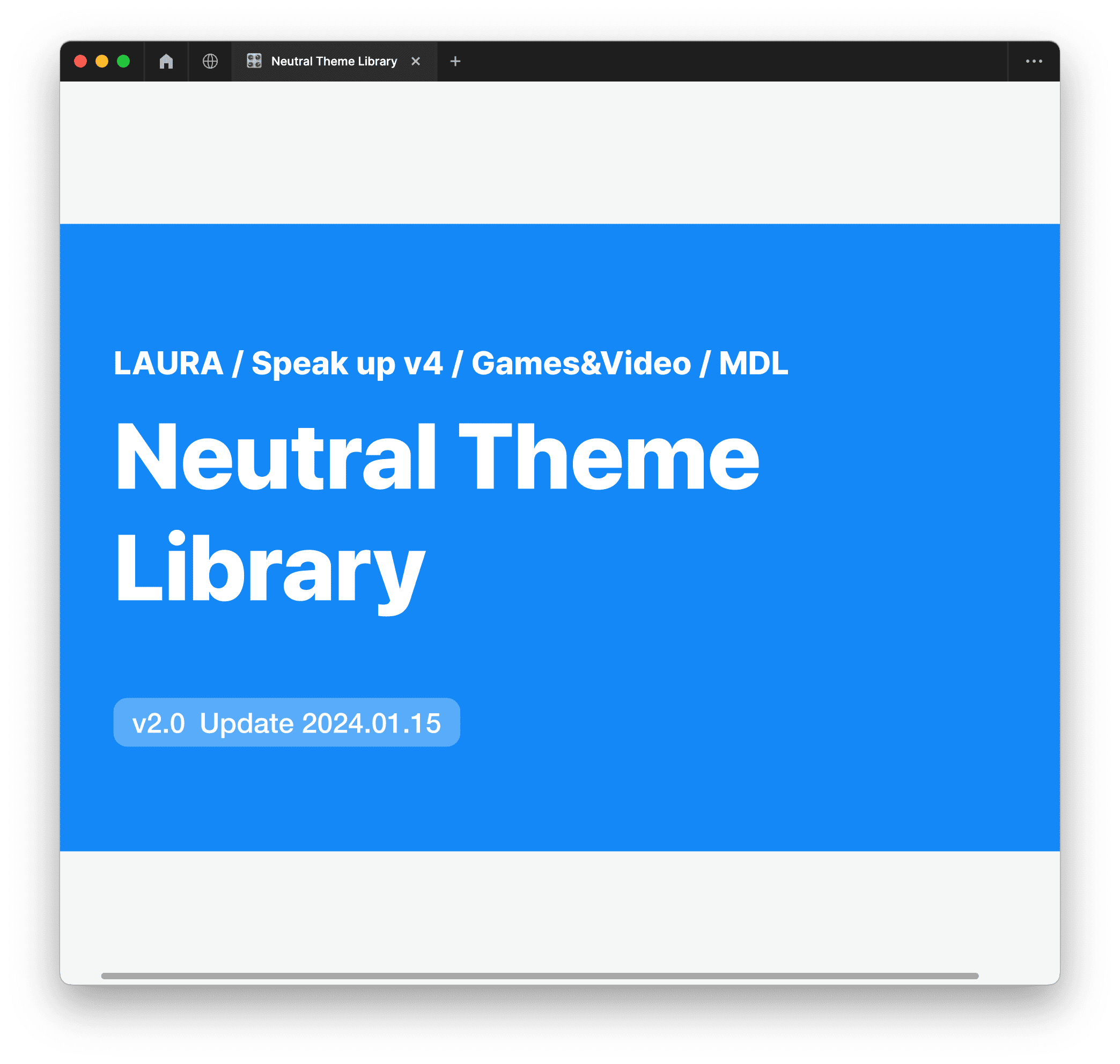
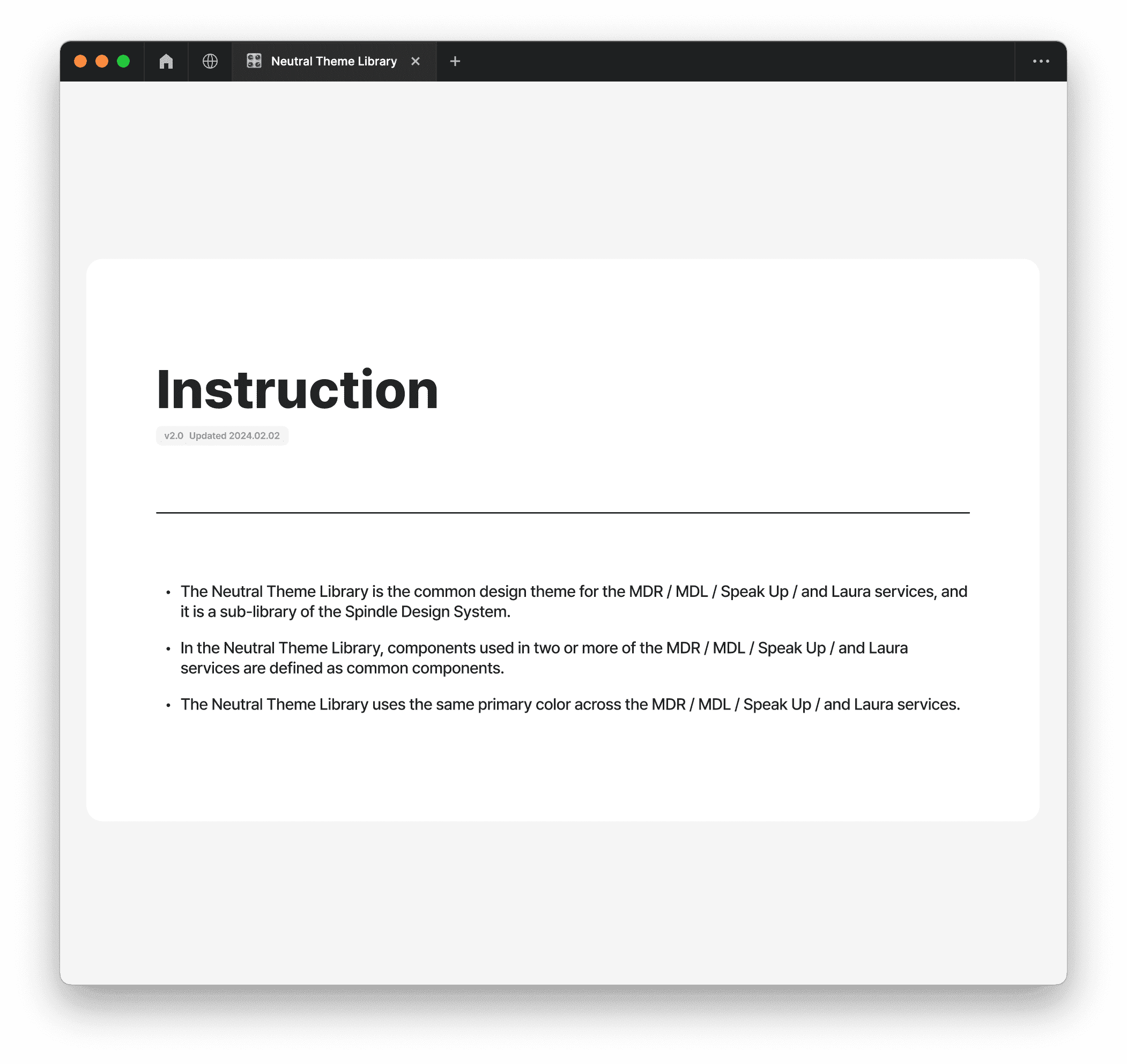
Clear Scope of Application
It was necessary to specify which products the library's components applied to and clarify the hierarchical relationship with the design system that underpins all iPortfolio products. An introduction was added, specifying which iPortfolio products the components of this library apply to.
Best Compromise for the Situation
The development team wanted to create different libraries for the activities applied to MDL, but from a designer's perspective, considering the situations where components would be modified and added, this was inefficient. The best compromise was to use a single library, defining common components and separating subcomponents based on each product.
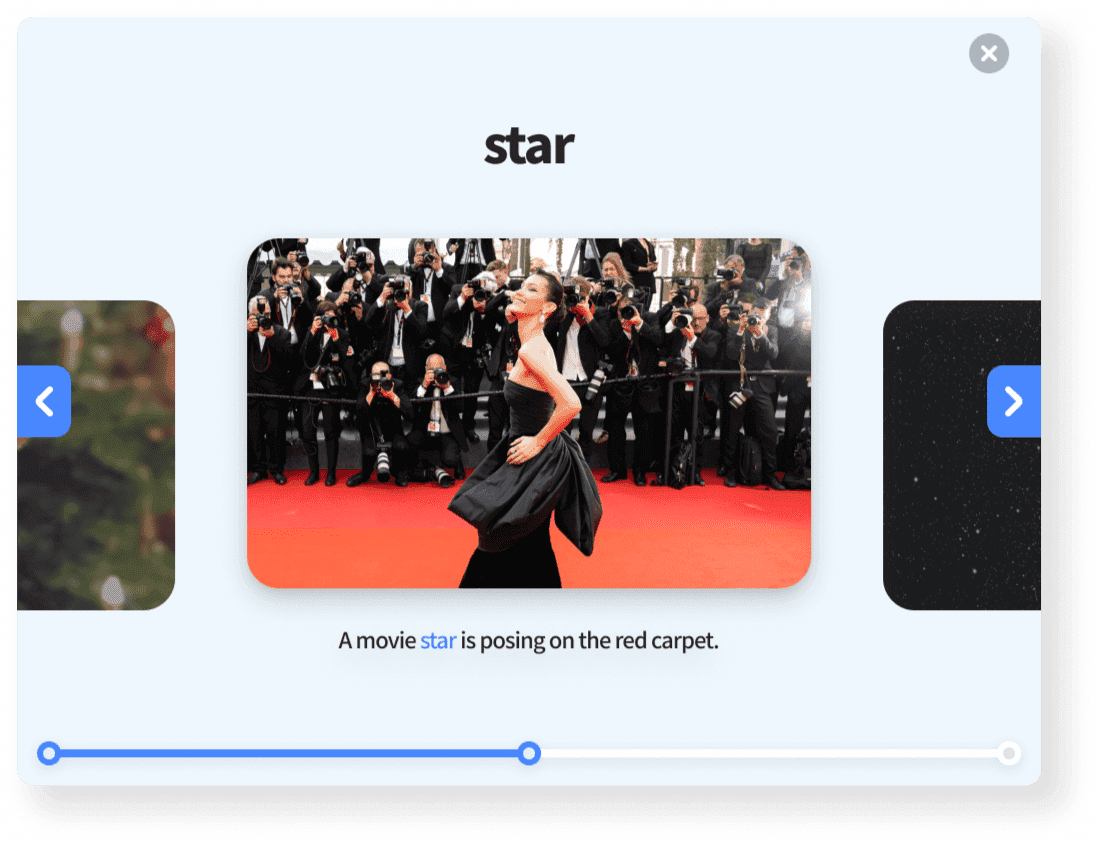
Guessing Game
⎯ Step1. Getting Started
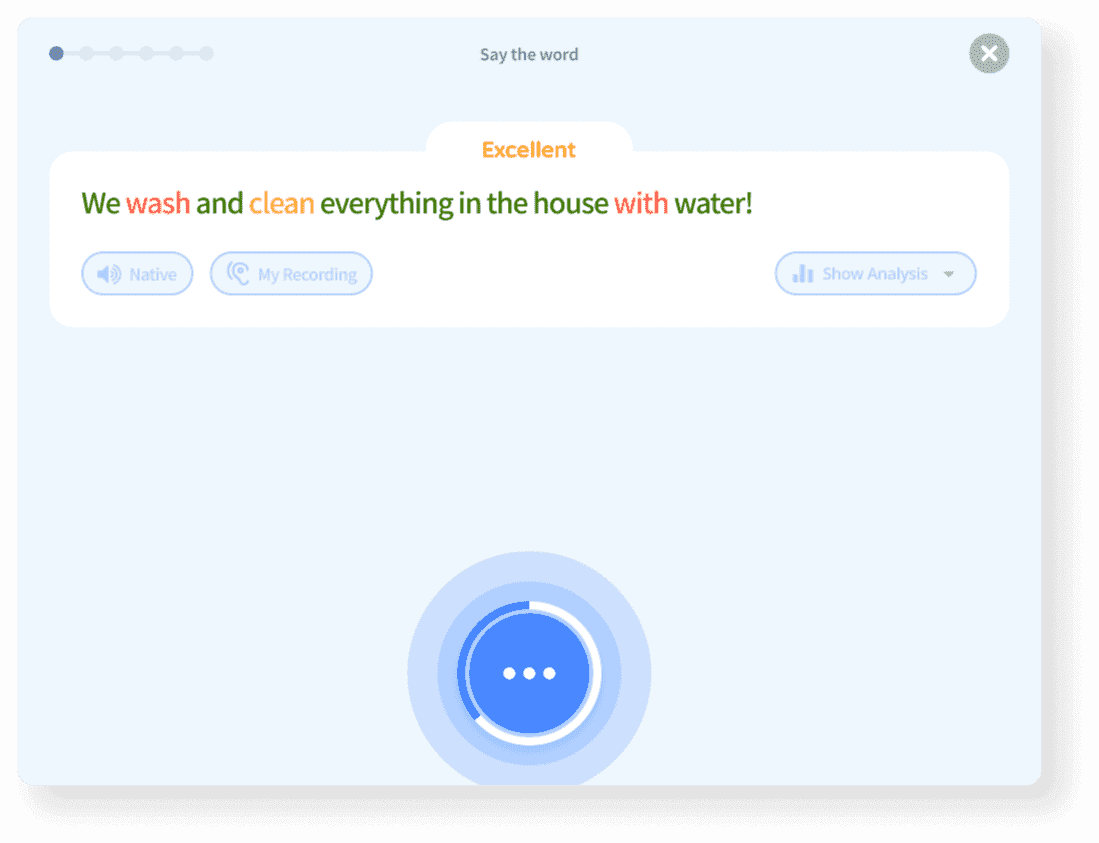
Speak Up
⎯ Step2. Practice 1
LAURA
⎯ Step3. Practice 2

Designing Based on Information Characteristics
In all activities except for quizzes, components related to the information users need were consistently placed. Components providing specific information about the ongoing activity (e.g., Book & Character info) were placed on the left, while components offering information to facilitate smooth conversation (e.g., Help) were placed on the right. The design was kept simple and consistent to ensure users could easily navigate and quickly find the functions they needed.
Adding Narrative to Activities
It was important to understand how users interact with Laura's activities. For example, the introduction modal changed based on whether the user was focused on learning or casual conversation. If the introduction modal previewed the activity content, users who wanted casual conversation could easily skip to the chat by clicking the "Skip" button instead of "Next." Additionally, in quiz-like activities, small rewards like stars appeared when users answered correctly, providing positive feedback and encouragement.


Gamified Activities for Enhanced User Interaction
Quiz-based game activities, with visible scores and timers, enhance user interaction and motivation. Instead of passively consuming information, users actively participate through interactive experiences. Laura allows users to use their profile photos as avatars in quiz activities, fostering a sense of active involvement and immersion. This approach provides clear feedback on who is speaking, ensuring smooth and intuitive communication.
Lessons Learned
Small Improvements Can Create Significant Impact
The presence or absence of Bottom Navigation can make it easier for users to recognize information or understand the functionality of components. This led to a gradual increase in the time users spent on activities and the number of daily activity completions.
Negotiation and Compromise Dominate the Process
The process of aligning ideas and making compromises takes up the majority of the journey from a small idea to a finished product. Even if my suggestions weren't fully adopted, the experiments conducted and lessons learned along the way were valuable outcomes.
Active Users Are Not Our Only Target
Ultimately, our target audience was divided into two groups: our partner, OUP, and the active users of LAURA. I realized that maintaining focus on the business strategy throughout the product development process is crucial for seeing the big picture rather than just the details.
Tight Deadlines Are Not a Serious Issue
The challenge of tight deadlines, which we frequently face, prompts us to consider the most efficient impact we can deliver within the time constraints. Focusing on delivering maximum impact with minimal resources in MVP design proved to be a meaningful approach.